June is when Amboseli‘s dry season properly reasserts itself. After the long rains of April and May, the park dries progressively through June and settles into the clear, stable conditions that define the July to October window. For travellers who want strong wildlife and Kilimanjaro potential at rates below the July and August peak, June is one of the most intelligent months in the Amboseli calendar.
Weather in June
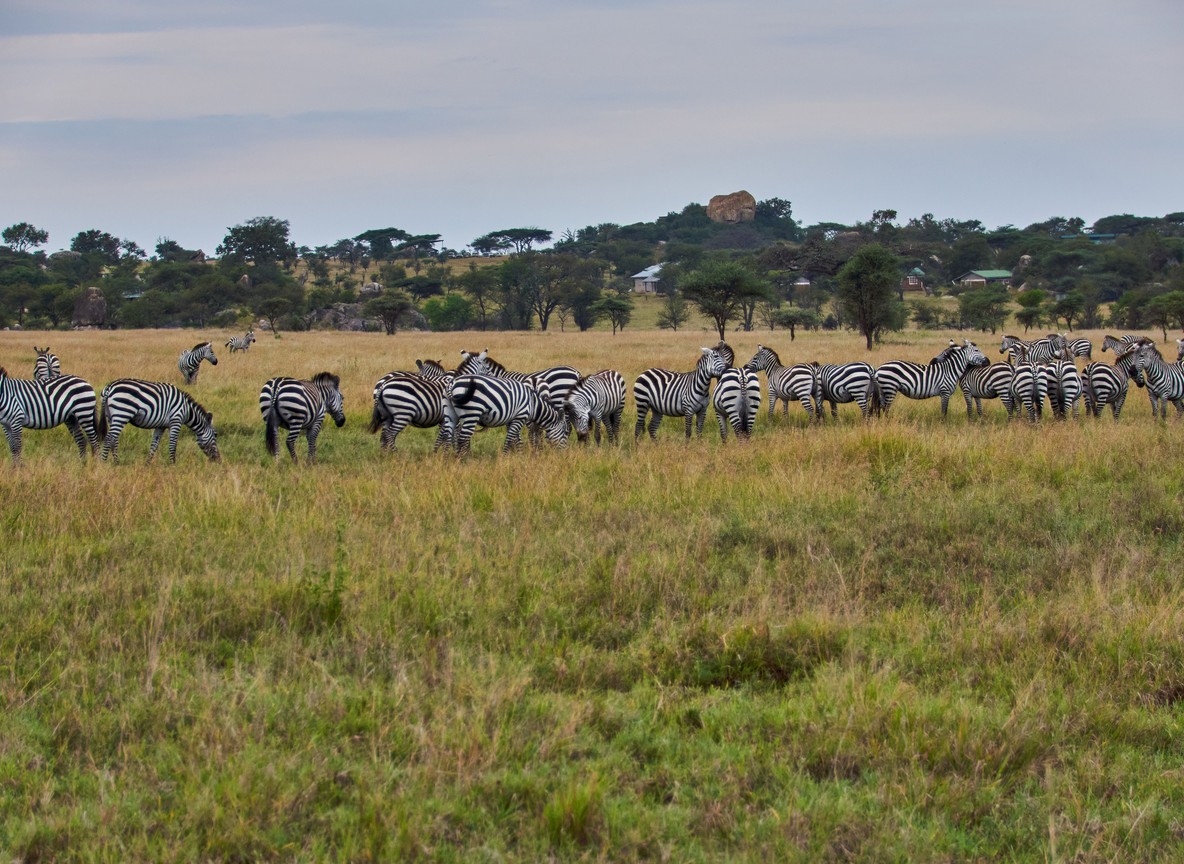
June marks a decisive transition in Amboseli. By the middle of the month, rain has become infrequent and conditions are increasingly dry. Mornings are cool — often 14 to 16 degrees Celsius at first light — warming to 25 to 27 degrees by midday. The vegetation is still partially green from the rains but drying progressively, which means the visual character sits between the lush wet-season look and the stark dry-season openness of August.
Early June can still carry some residual rain risk, particularly in the first two weeks. Late June is usually fully dry and firmly inside the game-drive-friendly conditions that characterise the rest of the dry season.
Wildlife in June
June wildlife quality is genuinely strong. The dry-season concentration of animals around permanent water is well-established by mid-June, and game drives in the final two weeks of the month feel very similar in quality to July.
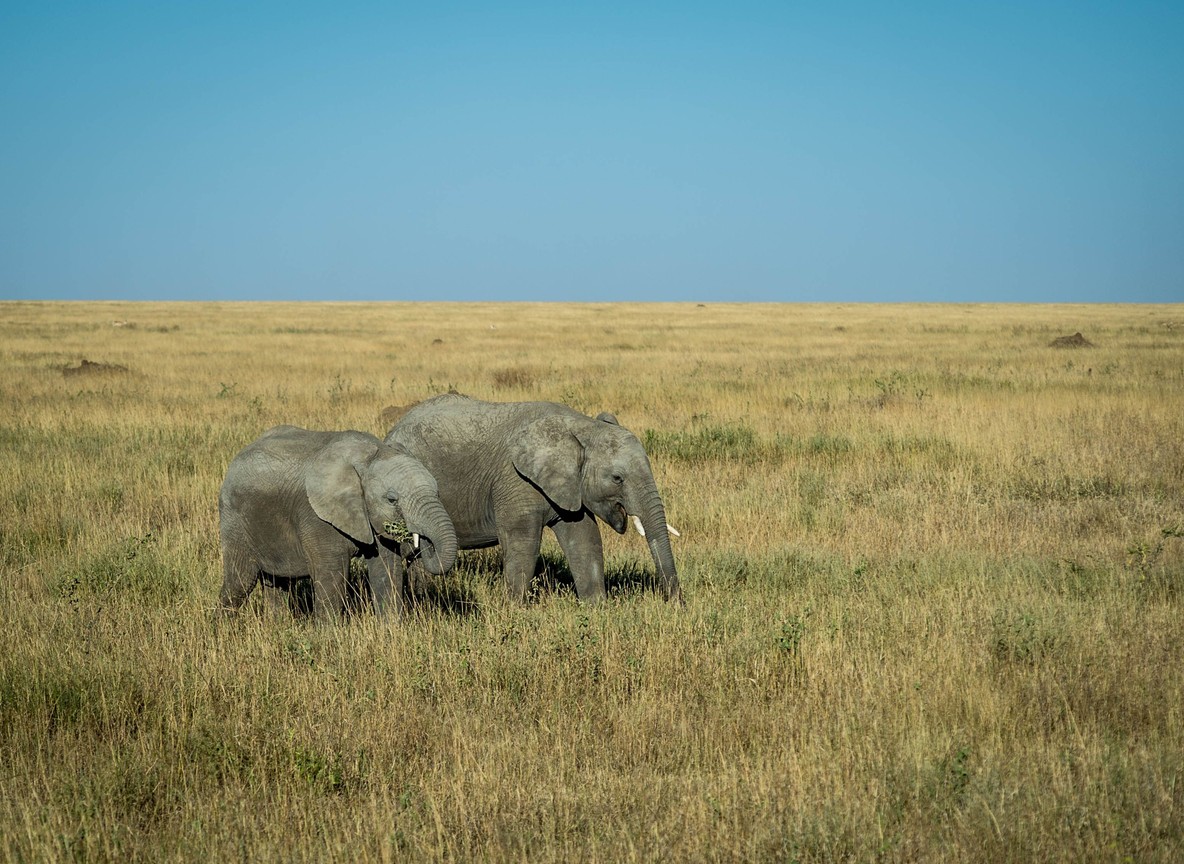
Elephants: Reliable throughout June. Herd movement to the swamp systems becomes more concentrated as the surrounding grassland dries. By late June, the patterns that define the dry-season elephant experience are fully in place.
Big cats: The progressively drying vegetation improves predator visibility through the month. Early June has longer grass than August; late June is close to July conditions for lion and cheetah search success.
Birding: June represents a transition. Some late Palearctic migrants are still present in early June before departing through the month. Resident wetland birds remain strong at the swamp margins throughout.
Kilimanjaro Views in June
June is a good month for Kilimanjaro visibility, with conditions improving through the month. Early June mornings can still carry some cloud risk from the preceding rainy period. By mid-to-late June, clear dawn conditions are common and the mountain performs reliably on most mornings.
The advice is identical to every month: depart before 6am to catch the clearest window before cloud builds at altitude.
June vs July: Value vs Confidence
This is the most useful planning comparison for travellers considering the early dry season.
June offers:
- Very similar wildlife quality to July, particularly in the second half of the month
- Better rates at most camps than peak July demand
- More camp availability for flexible or last-minute planners
- A slightly less crowded park atmosphere
- Slightly more residual greenness in the landscape
July offers:
- Peak dry-season confidence and reputation
- Marginally better Kilimanjaro reliability (fewer residual cloud risk days)
- The strongest demand from families and first-time visitors
- Higher rates and earlier booking requirements
For travellers with fixed school-holiday or peak-season dates, July is the natural choice. For travellers with flexibility who want strong conditions without the premium, June is genuinely the smarter option.
Who June Suits
Good fit for:
- First-time safari visitors who want dry-season conditions but are not tied to peak-season dates
- Couples and solo travellers who prefer a less crowded park feel
- Photographers who want good light and improving visibility
- Budget-conscious travellers who still want proper dry-season quality
- Return visitors who know June delivers without the July premium
Less suited to:
- Families fixed to school holiday dates that fall in July
- Travellers who want the absolute maximum probability on every dawn — late June is excellent, but early June carries slightly more residual risk than July
Game Drive Structure in June
June responds well to the same early-morning structured approach that works throughout the dry season:
- Depart at 6am (gate opening) for the dawn Kilimanjaro and predator window
- Spend the first two to three hours on swamp margins and open grassland circuits
- Return to camp for midday rest from about 10:30am
- Afternoon drive from 3:30-4pm for elephant concentration and golden-hour light
This structure is fully deliverable in June once the month’s dry-season pattern is established. Guides who know the park’s seasonal rhythms can commit to it from the first drive.
How Many Nights in June
Two nights gives a productive and satisfying June safari. Four game drives cover the essentials and provide good odds for Kilimanjaro on at least one morning.
Three nights is better for photographers and for travellers who want a more relaxed pace with more margin for the mountain.
June at a Glance
| Factor | June Conditions |
|---|---|
| Rainfall | Decreasing — low to none by late June |
| Wildlife visibility | Good to excellent |
| Kilimanjaro views | Good in early June, very strong by late June |
| Road conditions | Improving through the month |
| Crowd levels | Moderate — below July peak |
| Best for | First-time visitors, photographers, value-focused travellers |
| Value | Better than July-August peak rates |
For more on timing, see the Amboseli in July guide and the dry season vs green season in Amboseli on Touring Insights.
If this guide has you ready to travel, a safari specialist can handle the route, camps, and logistics end to end.
Want to Book a Tour With Us?